
The Growth Trap: Why Famous Wineries Stop Being Good, and Where Sommeliers Look Instead
Here is somthing worth thinking about the next time a winery calls you. If a winery is pitching you their wines, it means there is a sales organization behind that call. Salespeople, export managers, marketing budgets. And wineries with all of that in place are, almost by definition, the big ones. The wines that get pitched hardest are rarely the wines you actually want.
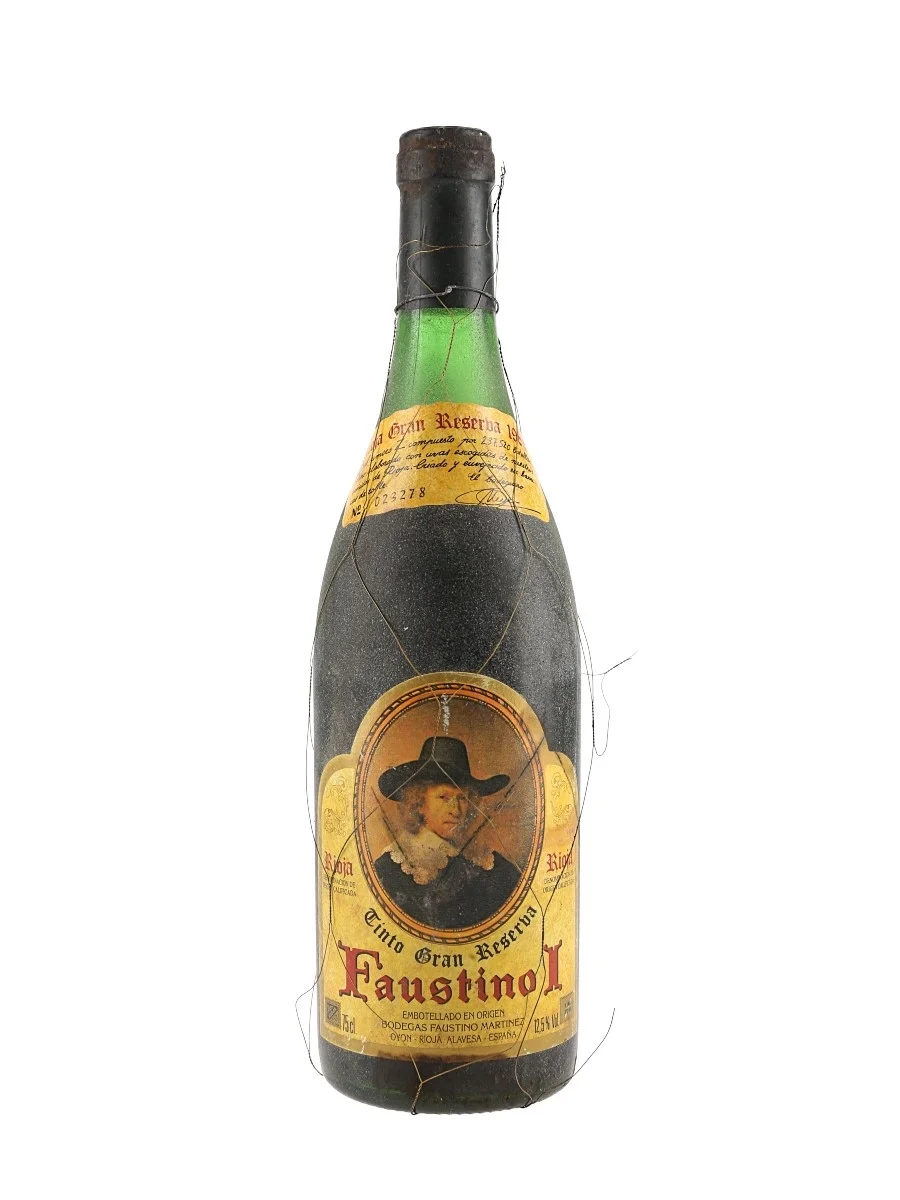
There is a pattern behind this, and after allmost two decades in the trade I have seen it play out many times. Most of the big wineries we have today started as good, small projects. Then success arrives, and success in wine has a built-in trap: to grow, you eventually have to plant new vineyards in sites that are not the best, or start buying fruit. And here is the uncomfortable truth about bought fruit. If somebody wants to sell you their grapes, they usually know those are not the best grapes. The best parcels are kept, the rest is sold. So the winery keeps growing, the label stays the same, and the wine quietly becomes something else. This has been happening for years, all over Spain and Portugal. Wineries that used to be good are simply not good anymore, and their old reputation does the selling.
This is where Iberian Aesthetics comes in, and I will describe our role in one word: a filter. When we contact you about a winery, you already know one important thing before tasting a drop: this producer has no sales organization. Nobody is calling you on their behalf because there is nobody to make the call. They are in the vineyard or in the cellar, wich is exactly where you want them to be. The wines worth listing rarely come from wineries with salespeople, and our job is to find those wineries, taste through everything, and bring you only what deserves your time.
The producers we work with have something in common that goes beyond size. They are what I would call artist winemakers. The idea was never to produce a wine for a specific client or a specific market. The idea is to produce the wine the soil wants to produce, what the climate and the region should give. There is no marketing team sitting above the winemaker dictating a style because a focus group liked it. In terms of quality, these are the wines sommeliers put on their lists and specialized wine shops fight over, because they give you something no competitor can copy: a unique offering.
I see this from the buying side too. I am a partner in SOMM Wineshop in Santa Gertrudis on Ibiza, and sometimes a client walks in asking for Moët & Chandon. We tell them, sorry, we dont carry that one, but the supermarket next door surely stocks it. We say it with a glint in the eye, but there is a serious point underneath. If the wines you want are the ones on the supermarket shelf, you do not need a wine shop, and you do not need a sommelier. More and more restaurants and wine shops understand this now. The brand matters much less than people think. What matters is that your guest tastes the wine and loves it, at a price that leaves margin for everyone.
Which brings me to the only two questions that really decide whether a wine enters our portfolio of recommendations. Does the wine taste like more then it costs? And is it true to its origin? If the answer to both is yes, the wine will sell, whether the winery is famous or completely unknown. That is the whole logic. Not points, not brand, not the size of the bodega.
So this is our purpose in the wine industry, stated as plainly as I can. On one side of the table sit hundreds of small and mid-sized wineries across Spain and Portugal making wines of real character, with nobody to sell them abroad. On the other side sit importers and distributors who want exactly those wines but have no way to find them, because the noise from the big players drowns everything out. I sit in the middle, on the importer's side of the table. I am in constant discussions with distributors internationally, I follow what each market is looking for, and I pitch the newest producers from Spain and Portugal that I believe deserve a spot in the light. When one of them lands on your desk, it is because it passed the filter.
If you are curious what is coming out of the Peninsula right now that nobody has pitched you yet, that is a conversation I am always happy to have. The WhatsApp button here on the right goes directly to me, Cruz. If you have any questions, reach out at any time.